|
1
|
|
|
2
|
|
|
3
|
|
|
4
|
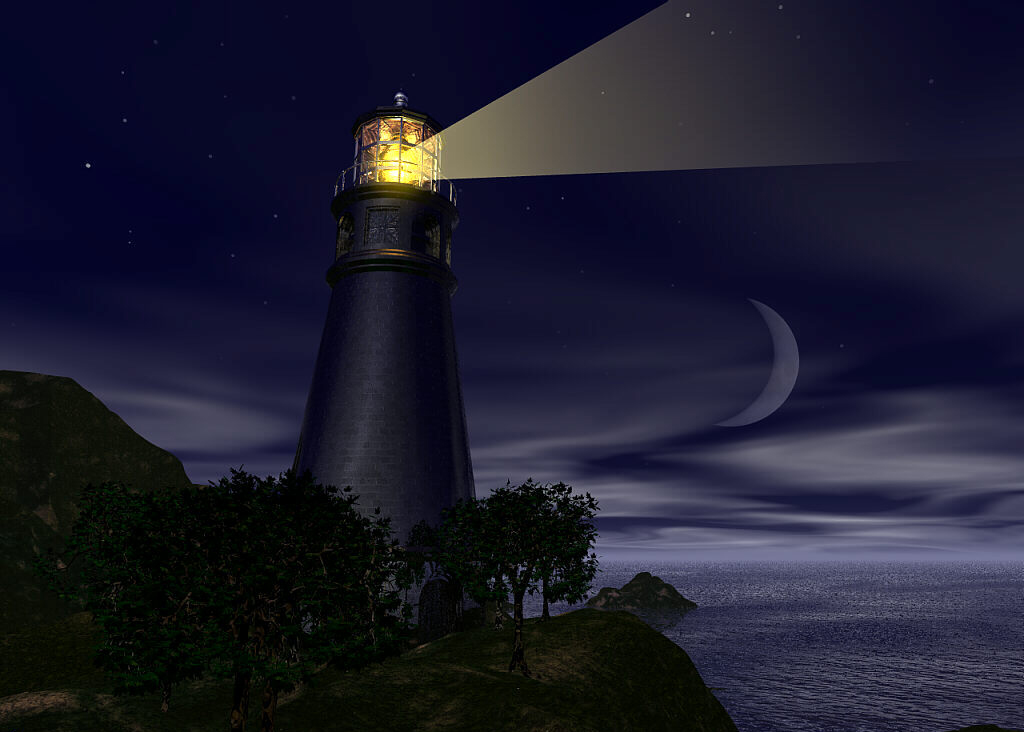
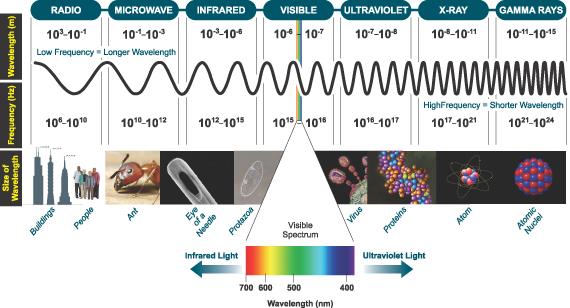
- Light usually refers to visible light but can technically mean
electromagnetic radiation of any wavelength
|
|
5
|
|
|
6
|
|
|
7
|
|
|
8
|
|
|
9
|
|
|
10
|
|
|
11
|
|
|
12
|
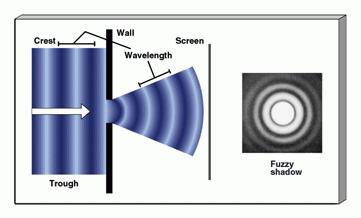
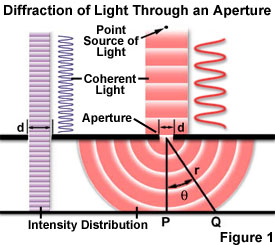
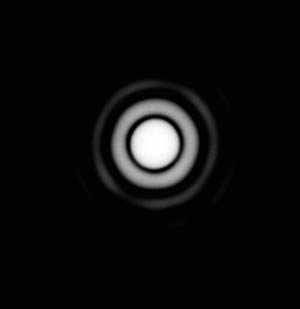
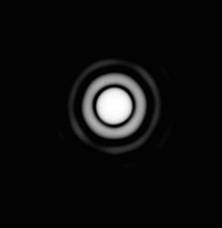
- Light diffracts when it
- enters a single aperture
- of comparable size to
- its wavelength
|
|
13
|
|
|
14
|
|
|
15
|
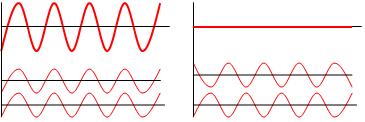
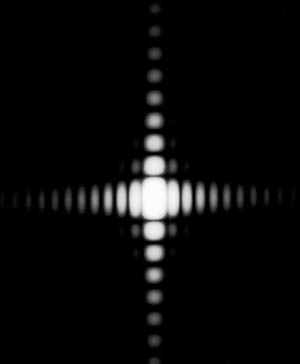
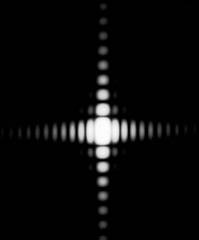
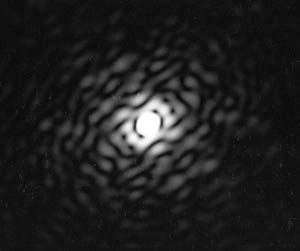
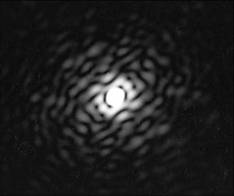
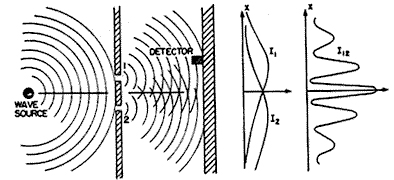
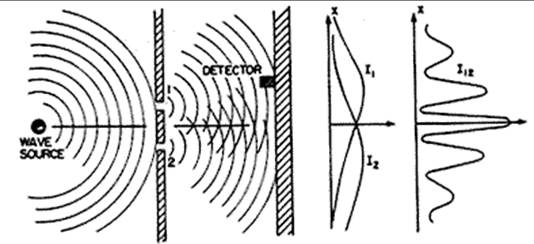
- Just like sound waves interference but at a smaller scale
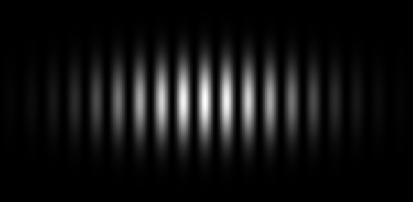
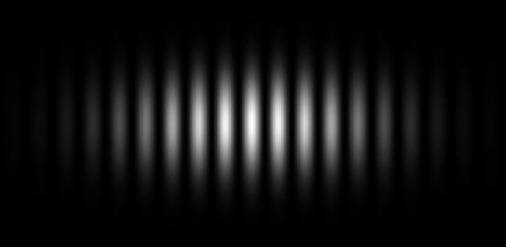
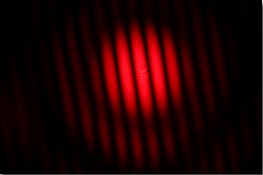
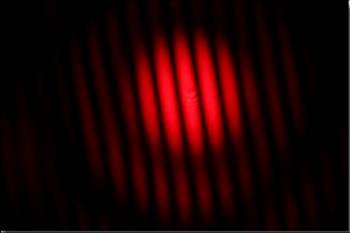
- A laser through double slits should look like:
|
|
16
|
- Interference of Double Slit
|
|
17
|
|
|
18
|
- Now that we’ve seen some of lights characteristics as a wave, is there
anything that suggests light acts like a particle too?
- To answer that question, we need to understand a particular phenomenon
known as the photoelectric effect.
|
|
19
|
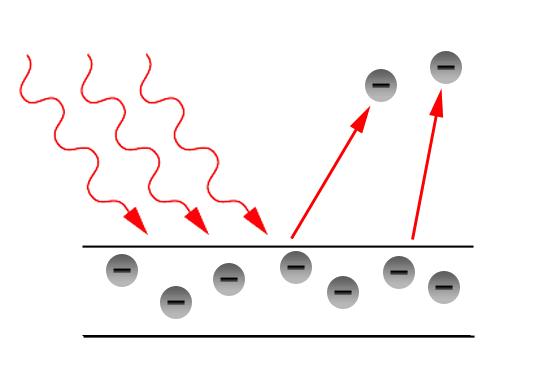
- The photoelectric effect is the process of emission of photoelectrons
from a material after the absorption of energy from electromagnetic
radiation
|
|
20
|
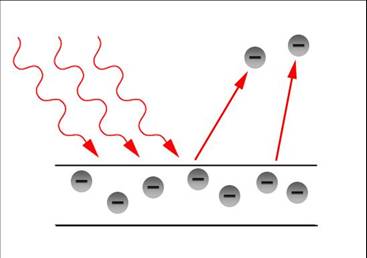
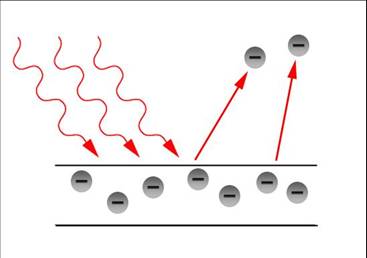
- The photoelectric effect is when a material emits
- photoelectrons after absorbing
electromagnetic energy.
|
|
21
|
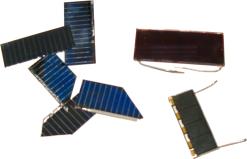
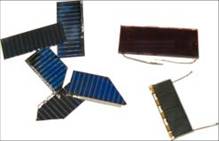
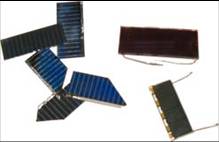
- Solar cells convert electromagnetic energy (light) into electricity.
- It demonstrates the photoelectric effect because this electromagnetic
- radiation is absorbed by the material of a solar cell, emitting
electrons.
- The emitted electrons are then driven by a voltage (potential
- difference) to produce a current (flow of electrons), and that is what
- electricity is.
|
|
22
|
- But how does this demonstrate that light is a particle?
- Well, if light was strictly a wave, then increasing the intensity
(brightness)
- of the light should increase the energy and number of electrons emitted
- However, only the number of electrons increases. The energy of the
- electrons do not increase.
- In a certain material like Sodium, an intense bright red light will be
unable
- to emit any electrons, but a very dim blue light would be able to.
|
|
23
|
- Einstein in 1905 explained this phenomenon by looking at light as
packets of energy (photons).
- For example:
- The energy of Blue Light with wavelength about 400nm
- E = hf = hc/λ = 6.626x10^-34 J.S x 3 x 10^8m/s / 400 x 10^-9m
- Energy of Blue Light = 4.97 x 10^-19 Joules
- Energy of Red Light at 700nm = 2.84 x 10^-19 Joules
|
|
24
|
|
|
25
|
|

 Notes
Notes